


Trump’s “Save College Sports” Executive Order Sparks NIL Controversy
Last week, President Donald Trump signed an executive order called “Save College Sports”, aimed at banning several deals between the NCAA and athletes that Trump claims are hurting college sports. In a statement, Trump said the new rules would restore order, fairness, and stability by denying universities federal contracts or grants if their policies differ from what is laid out in the order.
The order seeks to limit and structure transfer rules, likely targeting the transfer portal that has made NCAA bowl seasons unpredictable. It also mandates complete medical care for student-athletes, restructures revenue sharing agreements, and aims to end “improper financial agreements” that the administration says are harming the league.
NIL Rules in the Crosshairs
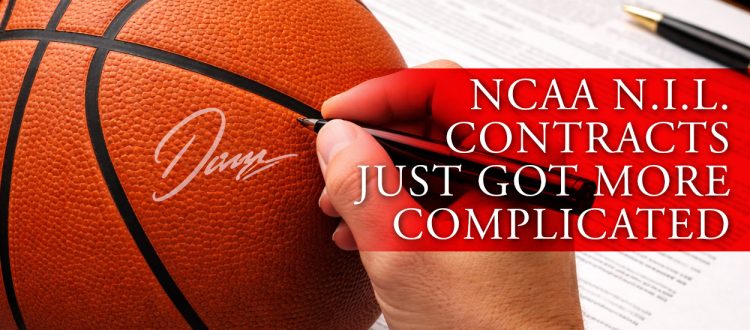
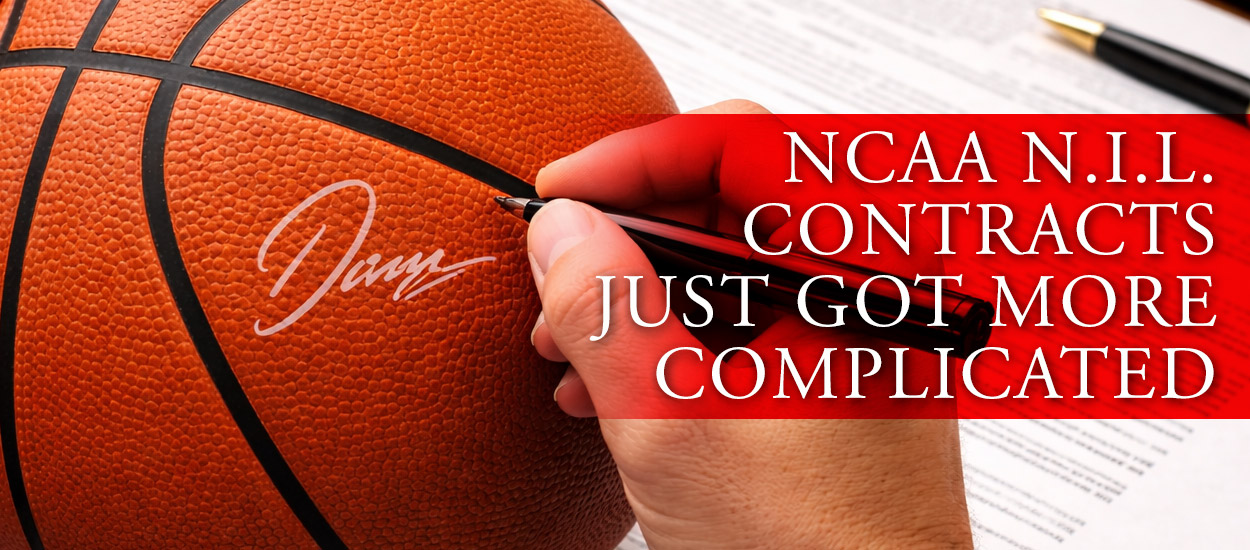
The most controversial part of the order targets Name, Image, and Likeness (NIL) rules. Since 2022, star players have been allowed to profit from anything sold with their name, image, or autograph. Before 2022, players could only receive scholarships as compensation. In 2019, California passed the Fair Pay to Play Act, allowing players at schools like USC, UCLA, and Stanford to profit from their NIL. Then in 2021, the Supreme Court ruled banning NIL compensation unconstitutional, opening the door for athletes to earn revenue while still in college.
Rumors suggest NCAA executives have been lobbying the Trump administration for a solution since they were losing revenue to players. NCAA executive Charlie Baker called the order a step forward but demanded a “permanent bipartisan federal legislative solution” to effectively overturn the Supreme Court ruling.
Legal Challenges Ahead
Lawsuits are already being filed to challenge the executive order. Athletes and agents argue NIL deals provide incentives to stay in school longer, develop connections, and prepare for professional careers. The debate has also reignited discussions about the memorabilia industry, with collectors and casual fans questioning if the market for signed merchandise has gotten out of hand.
Tom Brady and the Autograph Controversy
The Business of Sports Memorabilia
Today, signatures have become a lucrative business. A Michael Jordan-signed basketball can sell for $8,000 on Fanatics, which is valued at nearly $31 billion with over 22,000 employees. Protecting the value of official merchandise has become essential for players and companies alike. Casual fans and children are often priced out, as athletes prioritize contractual agreements and revenue over free fan interactions.
Why NIL Matters
Trump’s executive order may appeal to those longing for the “good old days” of sports, but its real focus is on giving more money to leagues and teams rather than athletes. NIL deals allow players like Arch Manning to earn up to $6 million, while others like AJ Dybantsa and Jeremiah Smith have valuations around $4.2 million. Without NIL, leagues and corporations like Fanatics profit heavily while athletes see little. Most would agree that players, not leagues, should reap the rewards.
A Personal Reflection
I once received a Kansas City Royals baseball signed by the 1985 team from Larry Gura. Players signed willingly, with no thought of profit. Today, a young fan’s attempt to get an autograph can be turned down because of merchandising deals. While I appreciate Trump’s attempt to address NIL, the executive order seems designed to protect league profits rather than casual fans or student-athletes. It’s a reminder that in modern sports, business often comes before fans.






 About Us
 T&C
T&C Privacy
 Contact
 Buy Picks